Living with tinnitus can feel relentless, that constant ringing, buzzing, or whooshing in your ears that no one else hears. If you've been dealing with it for any length of time, you know how it can disrupt sleep, make concentrating tough, and even heighten stress.
The good news is that in recent years, especially heading into 2026, more practical and effective ways to manage symptoms have become available. While there's still no one-size-fits-all cure, a combination of sound-based approaches, advanced devices, and supportive therapies help many people turn down the volume on their tinnitus and get back to enjoying life.
Understanding Sound Therapy and Audio Masking
Sound therapy remains one of the most accessible starting points for relief. The idea is simple: introduce external sounds that either mask the internal noise or help your brain pay less attention to it over time. This works especially well in quiet settings, like bedtime, when tinnitus often seems loudest.
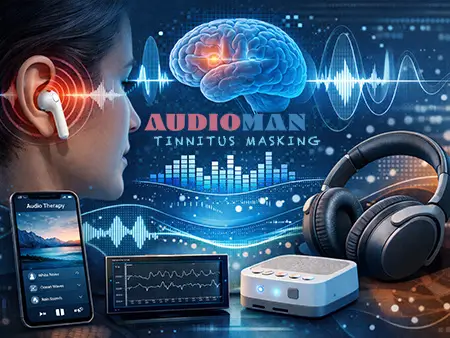
Audio masking uses neutral or pleasant background sounds such as gentle rain, ocean waves, or steady broadband noise to blend with or cover the ringing. A particularly helpful resource is the tinnitus audio masking library at Audioman. It offers over 440 high-quality MP3 files, from pure sine waves and white/pink noise variations to binaural beats, notched filters, and pulsed sounds tailored to specific frequencies. Many people find it useful to first pinpoint their tinnitus pitch with a simple online tone generator, then choose matching sounds or slight variations (like octaves) for the best effect. The tracks come in convenient 20-minute or longer one-hour files, making them easy to play through headphones, speakers, or even during sleep. At an affordable £2.99 per instant download with no subscription needed, it's a straightforward way to experiment with what works for your ears without relying on generic apps or an internet connection to stream..
Advanced Hearing Aids for Dual Relief
Modern hearing aids have evolved into powerful tinnitus tools, especially if hearing loss plays a role, which it does for a large number of cases. Today's top models from brands like Widex, Signia, Phonak, and ReSound include built-in sound generators with customizable options. Widex devices often feature Zen tones, which are soothing, music-inspired fractals that many find more natural and relaxing than plain noise. Signia’s Notch Therapy subtly reduces amplification right at your tinnitus frequency, gradually training the brain to deprioritize the sound. These aids are rechargeable, connect to smartphones via apps for fine-tuning, and deliver clear everyday hearing alongside relief. For people with both hearing issues and tinnitus, they're often a game-changer.
Bimodal Neuromodulation: A Breakthrough Approach
One of the most talked-about breakthroughs in recent years is bimodal neuromodulation, led by the Lenire device. Approved by the FDA a few years back and now widely used in clinics, Lenire pairs tailored audio through headphones with gentle electrical pulses on the tongue. This dual stimulation helps rewire how the brain processes the phantom sound. Real-world reports and ongoing studies from 2026 show that a strong majority of users experience noticeable reduction in severity, with benefits that can last well after the treatment course ends. It's noninvasive, typically involves a few months of guided use, and side effects are usually minor, like brief tongue tingling.
Behavioral and Holistic Strategies
Beyond devices, behavioural strategies make a big difference. Cognitive Behavioural Therapy (CBT) helps shift unhelpful thoughts about the noise, reducing its emotional impact. Tinnitus Retraining Therapy (TRT) combines low-level sound exposure with counselling to promote habituation, essentially teaching your brain to tune it out. Mindfulness practices and apps focused on relaxation or acceptance also support many people, especially when stress amplifies symptoms.
Some emerging approaches look at tinnitus through a brain-health lens, using medications originally developed for migraines or inflammation to calm overactive neural pathways. Wearables that track sleep, stress, and heart rate variability are helping tailor plans more dynamically.
Everyone's tinnitus is unique, so what brings relief varies. The key is working with an audiologist or ENT specialist to explore options that fit your situation, starting with something simple like sound masking often leads to bigger improvements. With steady progress in research and technology, 2026 feels like a hopeful time for anyone tired of just "living with it."
