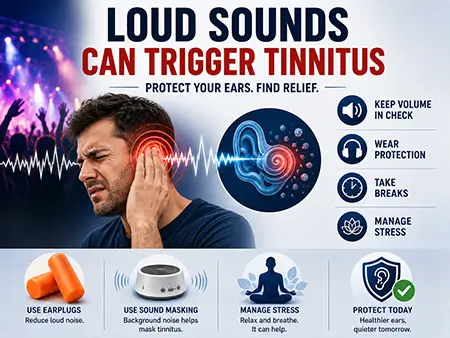
Tinnitus – that persistent ringing, buzzing, or whooshing in your ears when everything around you is quiet – is something millions of people deal with every day. While it can come from many directions, including aging or certain medications, one of the biggest culprits is noise. The sounds we encounter in daily life, especially the loud ones, can kick off tinnitus or make an existing case much worse. The good news? A lot of this is preventable, and there are practical ways to protect your ears and find relief even when you can’t escape noisy environments.
Inside your inner ear, tiny hair cells act like delicate microphones, picking up sound vibrations and turning them into signals your brain understands. Blast them with too much noise and they can get bent, broken, or even die off. Once damaged, they start sending scrambled messages, and your brain fills in the blanks by creating phantom sounds. That’s how noise-induced tinnitus often begins.
A single gunshot, fireworks explosion, or heavy impact at close range (think 140 dB or higher) can do serious harm in seconds. Many people walk away from one loud event with ringing that never fully goes away. But the slower, more common path is repeated exposure to sounds that aren’t quite that extreme. Construction sites, factory floors, busy traffic, lawnmowers, and especially concerts or clubs regularly push past safe levels. Even cranking up your headphones or earbuds too loud for too long adds up over time.
If you already have tinnitus, loud environments can cause frustrating “spikes” that last hours or days. Some folks develop reactive tinnitus, where normal everyday sounds like running water, clinking dishes, or background chatter suddenly feel overwhelming.
How to Protect Yourself Before Problems Start
The smartest move is prevention. Pay attention to volume and duration. A useful guideline for personal audio is the 60/60 rule: no more than 60% volume for longer than an hour at a stretch. Noise-cancelling headphones help because you don’t have to turn the music up as loud to enjoy it.
When you know you’ll be around loud sounds – whether at a gig, shooting range, sporting event, or worksite – wear proper protection. Good foam earplugs or over-ear muffs can cut the volume significantly. Musicians can get custom earplugs with filters that lower harmful decibels while still letting them hear the music clearly. There are plenty of free decibel meter apps that tell you when an environment is getting risky. If you have to raise your voice to be heard by someone standing next to you, it’s probably too loud.
Give your ears regular breaks in quieter spaces. Simple lifestyle tweaks also help: cut back on caffeine and alcohol if they seem to make your ears ring more, stay hydrated, and eat foods rich in magnesium and antioxidants. Small changes like these can make a real difference over time.
Finding Relief When You’re Stuck in Noisy Places
Sometimes you can’t avoid the noise – work, travel, or family events get loud. Here’s what tends to help:
- Carry earplugs everywhere. Pop them in before the volume climbs. They reduce the intensity reaching your inner ear and can prevent a bad spike.
- Use sound masking. Background noise often makes tinnitus less noticeable. A small fan, white noise app, nature sounds, or even low music can cover the ringing effectively. Many people keep a sound machine by the bed or audio downloaded files at specific frequencies for the same reason.
- Consider professional devices. If you also have some hearing loss, a well-fitted hearing aid can amplify real sounds and often includes tinnitus masking features. Modern combination devices are surprisingly effective.
- Mind your stress levels. Anxiety and tinnitus feed each other. Quick breathing exercises, a short walk, or even progressive muscle relaxation can dial down how loud the ringing feels. After a noisy event, head somewhere relatively quiet (but not dead silent) and use masking sounds while you recover.
For longer-term management, many people benefit from working with an audiologist or ENT doctor. Therapies like tinnitus retraining therapy (TRT) or cognitive behavioral therapy (CBT) help your brain learn to tune out the internal noise so it bothers you less.
Tinnitus can be stubborn once it sets in, but you don’t have to let it run your life. By being proactive with hearing protection and using smart masking and relaxation techniques, most people can keep symptoms manageable and prevent them from getting worse. Your ears take a lot of punishment in modern life – looking after them is one of the best investments you can make in your long-term well-being.
